
Applications
Defence
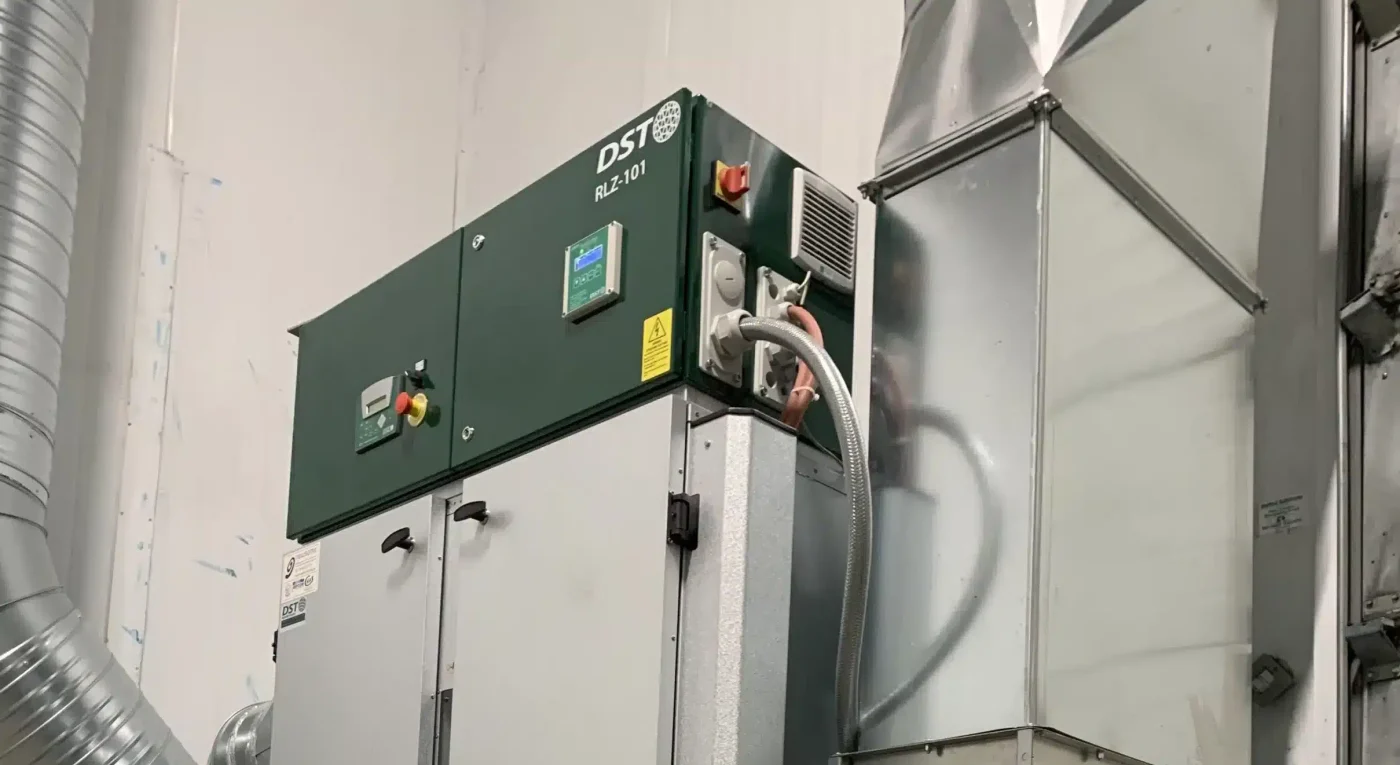
Stored ships, vehicles, aircraft, weapons and electronics degrade when humid air drives corrosion and electrical faults. Controlled dry-air stores are used so equipment stays ready without relying on heating alone.
-
Corrosion and electrics
Moisture attacks metals and sensitive electronics while equipment sits unused.
-
Heating is not enough
Even at a steady temperature, relative humidity can swing. Heating does not remove vapour.
-
Readiness
Dry storage is used so inactive assets stay closer to a usable state.
-
Inspection load
When moisture damage is held back, inspection and maintenance can be planned differently.
Dry air for defence stores
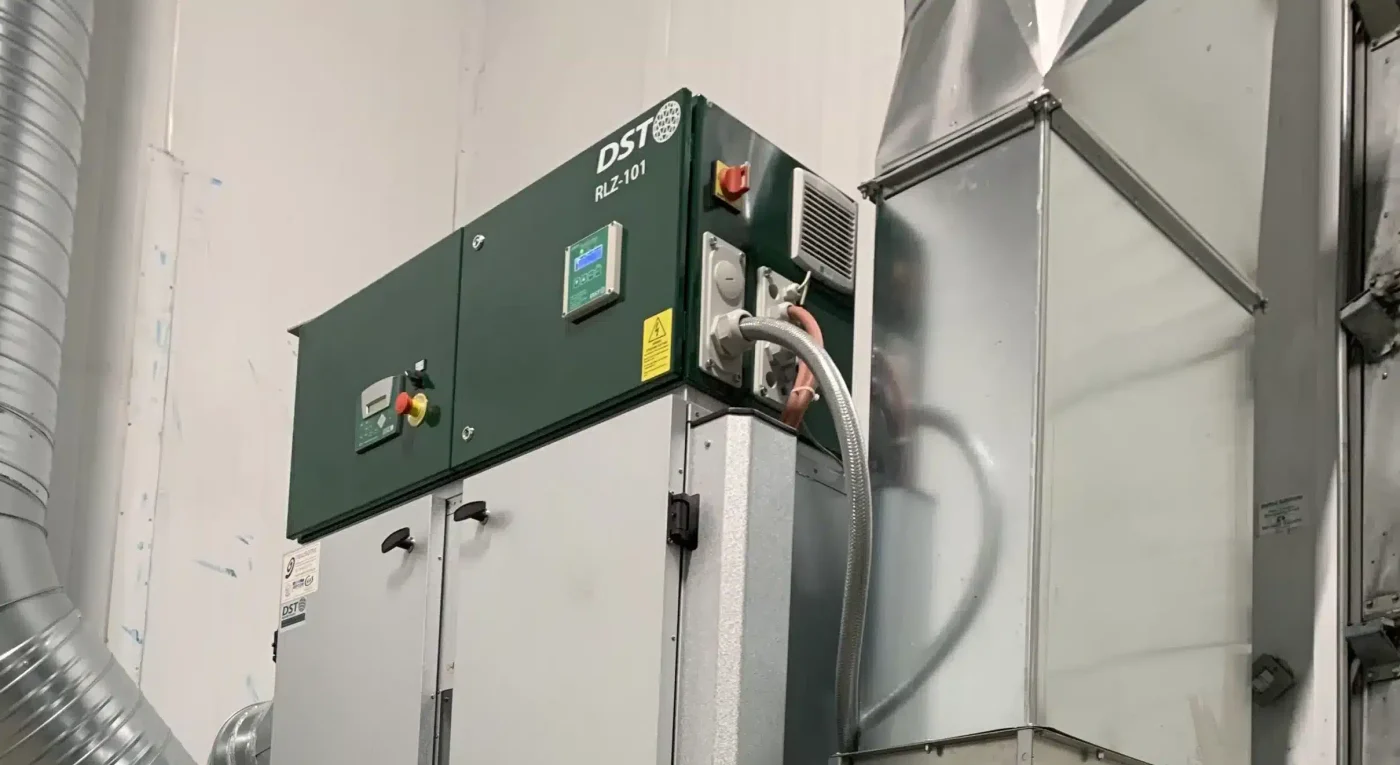
Militaries have used desiccant drying for decades on storage duties. The principle is the same: keep the air in the store dry enough that corrosion and moisture faults stay low.
-
What goes wrong in humid stores
Rust on mechanical parts, faults in electrics, and degradation of materials that take up moisture.
-
Why desiccant suits this work
Units work across ambient temperatures, including cold stores and outdoor shelters, without depending on a cold coil.
-
How a store is arranged
A closed or semi-closed volume is recirculated through the dehumidifier. Sealing and leakage set how hard the unit has to work.
-
What to tell us
Type of equipment, store volume, climate, and any humidity condition already specified for the site.
From the application to a unit
These notes describe the application. A sale or a hire is a separate conversation, matched to the site.
-
I need help choosing
Describe the space, the temperature and any humidity or dew point you already know.
Get advice -
Dry storage
Civilian stores of moisture-sensitive goods use the same dry-air idea.
Read about dry storage -
I would rather call
Our office number is 01422 312 562, Monday to Friday, 8.30am to 5.00pm.
Call 01422 312 562
Questions
Is dry-air protection limited to long-term equipment lay-up?
It is common on inactive stores, but any space where equipment must remain ready in humid conditions can benefit.
Does the dehumidifier require a heated plant room?
Desiccant units can operate in cold ambient air. Access, ducting and a discharge path for wet regeneration air are still required.
How does desiccant drying differ from heating the store?
Heating raises temperature; it does not remove water vapour. Desiccant drying removes vapour, which is why it protects metal and electronics more effectively than heat alone.
Get advice
Tell us about the space, the temperature, and any humidity or dew point you already know.
Or call 01422 312 562
Monday to Friday, 8.30am to 5.00pm