

Art Galleries
Paintings, paper and mixed media respond to swings in humidity. Stable air protects the collection and loan conditions.
Read about art galleriesWhere DST equipment is used
Moisture in air shows up as condensation, fog, frost, corrosion, clumping or spoiled stock. These pages describe where desiccant drying is commonly used, and what to tell us when you ask about a site.

Process and storage
Factories, warehouses, cold stores and dry rooms where product or packaging takes up moisture.
Structure and plant
Bridges, power plant, ships and PVC halls where corrosion or condensation is the problem.
Collections and defence
Galleries, museums and controlled stores where stable air matters more than heating alone.
Matched to the site
Each application is sized from temperature, moisture load and how the space is used.
Nineteen subjects. Each page sets out the moisture problem and how a desiccant dehumidifier is used there.
Paintings, paper and mixed media respond to swings in humidity. Stable air protects the collection and loan conditions.
Read about art galleries
Humid air accelerates corrosion of steel members and cables. Dry air inside closed voids is used as a corrosion control method.
Read about bridges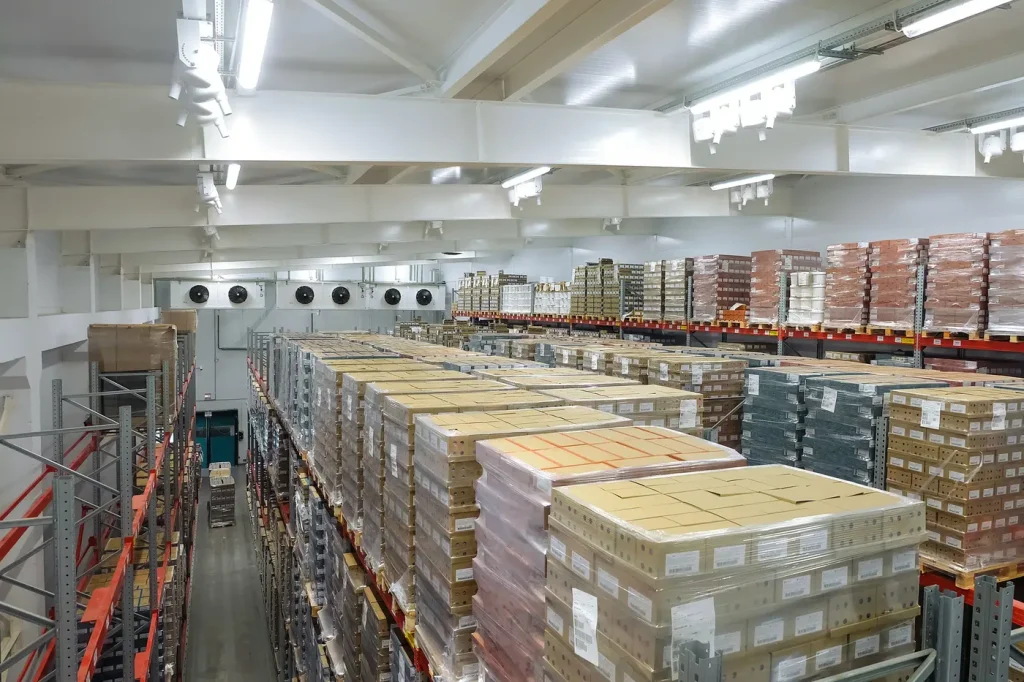
Warm air at doorways becomes fog, frost and ice. Desiccant drying is used because cooling dehumidifiers struggle in the cold.
Read about cold stores
Sugars, powders and chocolate take up moisture. That leads to clumping, sticky product and sugar bloom on surfaces.
Read about confectionery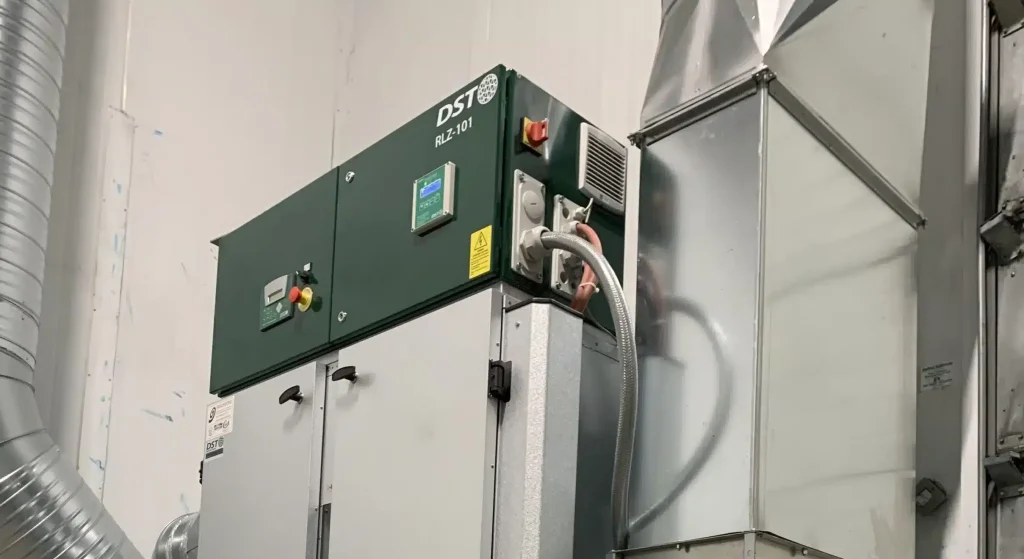
Stored vehicles, weapons and electronics stay ready when moisture-driven corrosion and degradation are held back.
Read about defence
Heating alone does not hold storage humidity steady. Dry air protects packaging, metals and moisture-sensitive stock.
Read about dry storage
Steam, wash-down and outside air raise the moisture load. Condensation and damp product follow if the air is not dried.
Read about factories
Outside air raises the dew point over the ice. Fog, dripping and damage to the ice surface are the usual results.
Read about ice rinksCell filling and sealing need very dry rooms. Moisture reacts with electrolyte and shortens cell life if it is sealed in.
Read about battery manufacturingChilled rooms run at high relative humidity. Condensation and wet surfaces raise hygiene risk on meat lines.
Read about meat processingObjects of wood, paper, textile and metal move with humidity. Stable rooms matter more than a single fixed figure.
Read about museumsHygroscopic powders and tablets change weight and flow when they take up moisture. Dry process air protects the batch.
Read about pharmaceuticals
Moisture in resin and condensation on cold moulds cause defects. Dry air keeps moulds clear and resin fit to process.
Read about plastics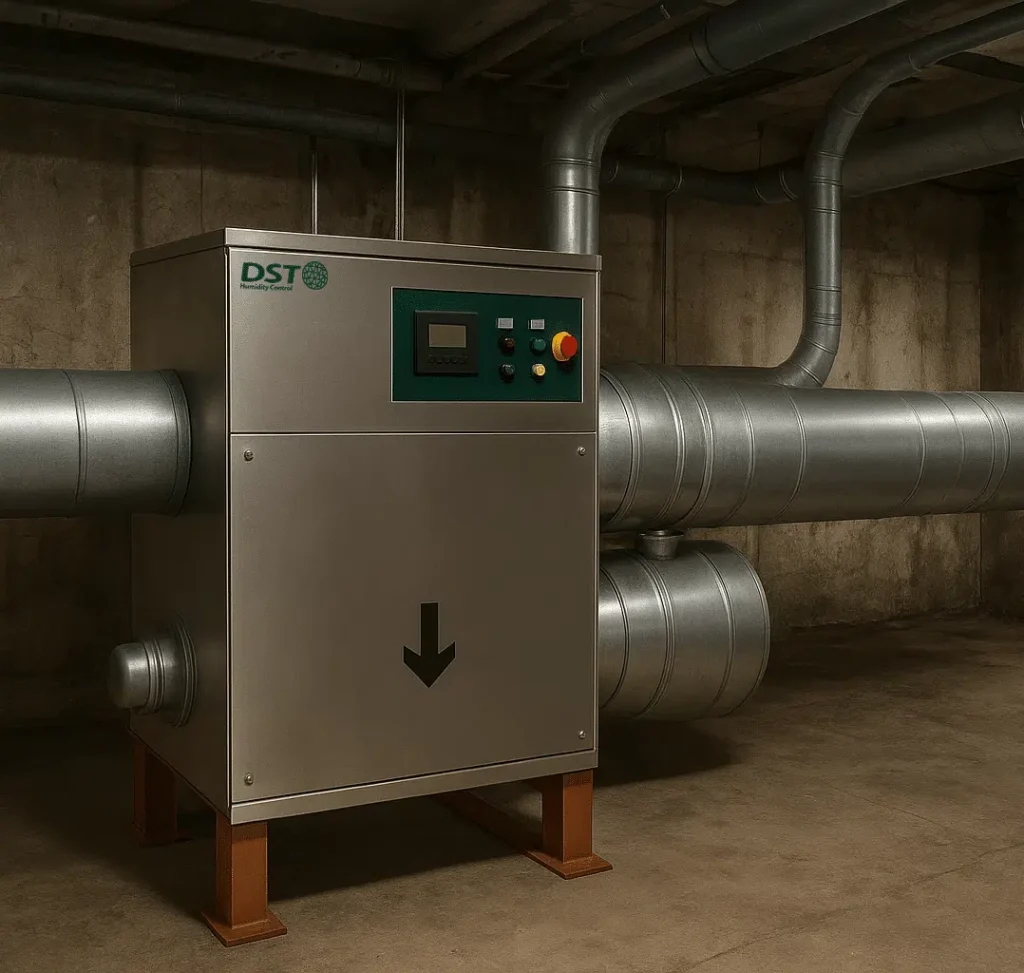
Single-skin halls and temporary stores often cannot be heated usefully. Condensation, mould and slippery floors follow.
Read about PVC structures
Laid-up plant corrodes when humid air sits in boilers, vessels and generators. Dry air is used during shutdown.
Read about power stationsSalt air and humidity corrode machinery, electrics and cargo spaces. Dry air is used in lay-up and storage on board.
Read about shippingHeadspace air that is too wet causes clumping, regain and microbial activity in stored powders and granules.
Read about silos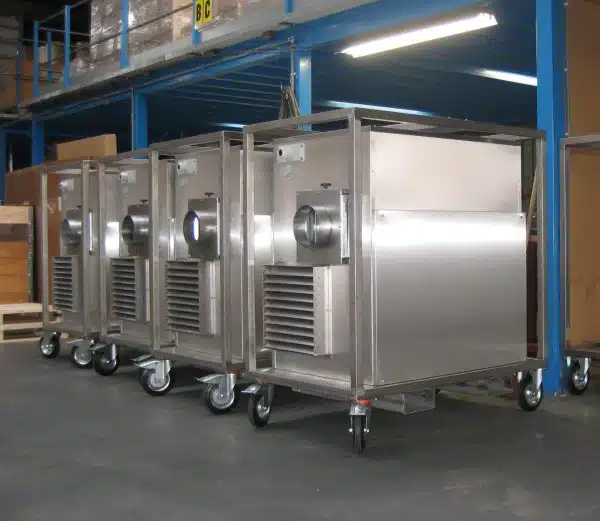
Doors and weather change the moisture load. Corrosion, mould and damp packaging are the usual warehouse problems.
Read about warehouses
After a flood or leak, water stays in the fabric. Warm dry air from a desiccant unit is used to dry the building out.
Read about water damageThese pages describe the application. A sale or a hire is a separate conversation, matched to the site.
Describe the space, the temperature and any humidity or dew point you already know.
Get adviceDST supply, with the range selected for your site.
Go to dehumidifier salesOur office number is 01422 312 562, Monday to Friday, 8.30am to 5.00pm.
Call 01422 312 562Each application has a different moisture source and a different problem to solve. Cold stores, galleries and battery rooms are not the same requirement, even where the dehumidifier principle is shared.
Where the air is cold, the dew point is low, or a cooling dehumidifier cannot hold the required condition. Many of the applications on this hub fall into that category.
Temperature, the humidity or dew point to hold if known, how moisture enters the space, and whether the unit can sit in the room or must be ducted.
If you have a building or a process in mind, describe it here. Choose Help choosing a solution. We reply by phone or email during opening hours, Monday to Friday, 8.30am to 5.00pm.
Or call 01422 312 562
Monday to Friday, 8.30am to 5.00pm