

Skip to content

Industrial dehumidifier repairs

Dehumidifier repairs

When a dehumidifier stops holding condition, the effect shows up in the product, the process or the energy use. Newsome repairs DST units and dehumidifiers from other manufacturers, including older models. Diagnosis starts with the airflow, the heaters, the filters, the rotor and the controls.

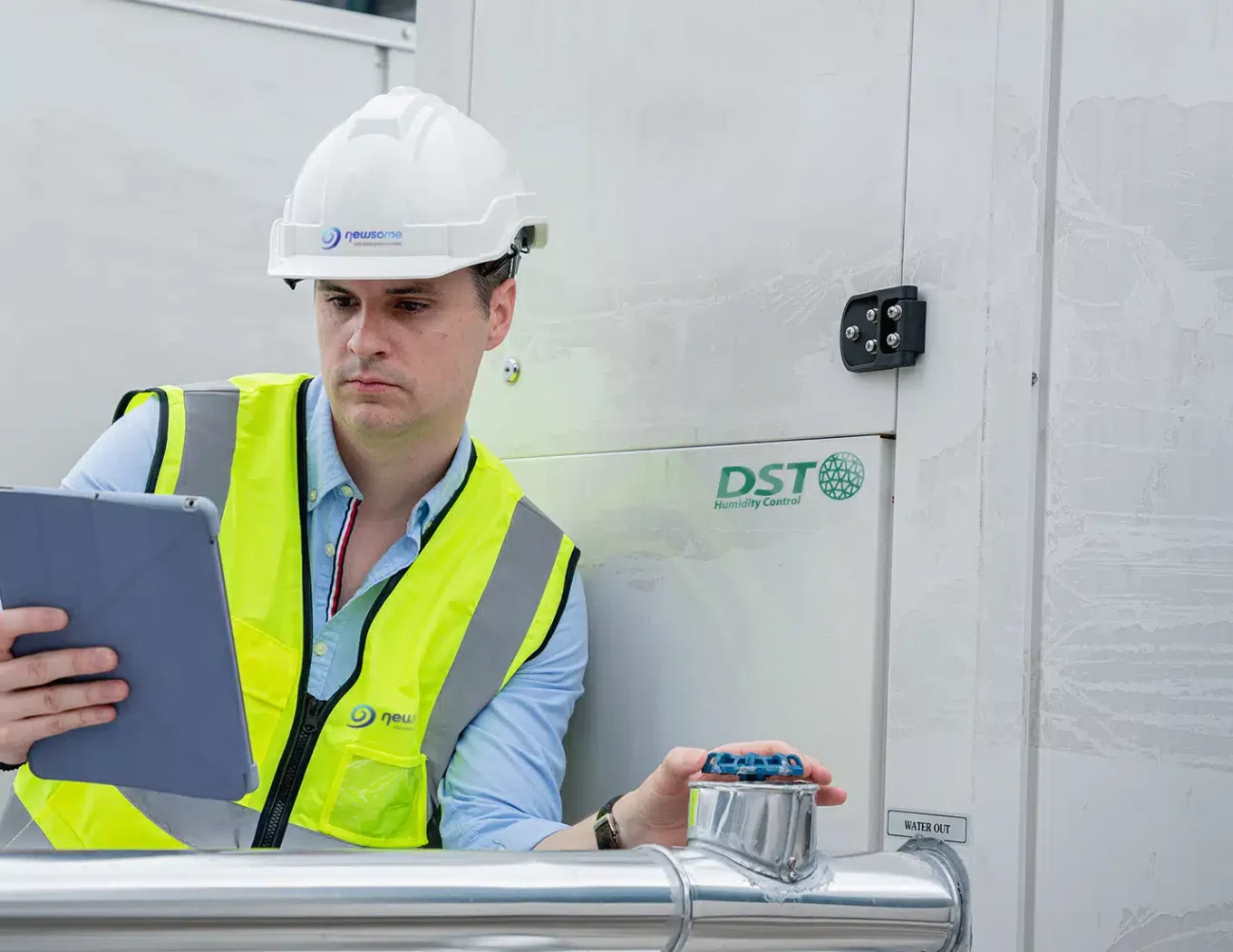
Engineer in a yellow hard hat inspecting a valve while holding a laptop
  • DST and other brands

    Including discontinued models and units that have been running for years.

  • A cause, not only a symptom

    Fault finding covers filters, fans, electrical parts, sensors and the reactivation system.

  • Parts for the repair

    DST stock, and components sourced for other manufacturers.

  • A note after the work

    What was repaired, the condition of the other main parts, and what to watch next.

Report a fault

Describe what the unit is doing, and the make and model if you know them. Choose Service or maintain existing equipment. If production cannot stop, say so in the message so a temporary unit can be discussed. We reply during opening hours.

Or call 01422 312 562

Monday to Friday, 8.30am to 5.00pm

    How a repair is handled

    The first step is finding what has failed. The repair is then the part or the adjustment that puts the unit back on its duty, followed by a check that humidity control has returned.

    Two engineers in hard hats and high-visibility jackets reviewing a laptop beside pipework

    Fault finding

    Engineers start with airflow, temperature, heater performance, the filters and the rotor. Many faults come from blocked filters, worn fans, electrical faults, sensor drift or the reactivation system. Others come from ducting, air distribution or parts that have worn over time.

    The check is tied to how that manufacturer built the unit, so the work is on the cause rather than a repeat of the same symptom.

    Discuss a repair
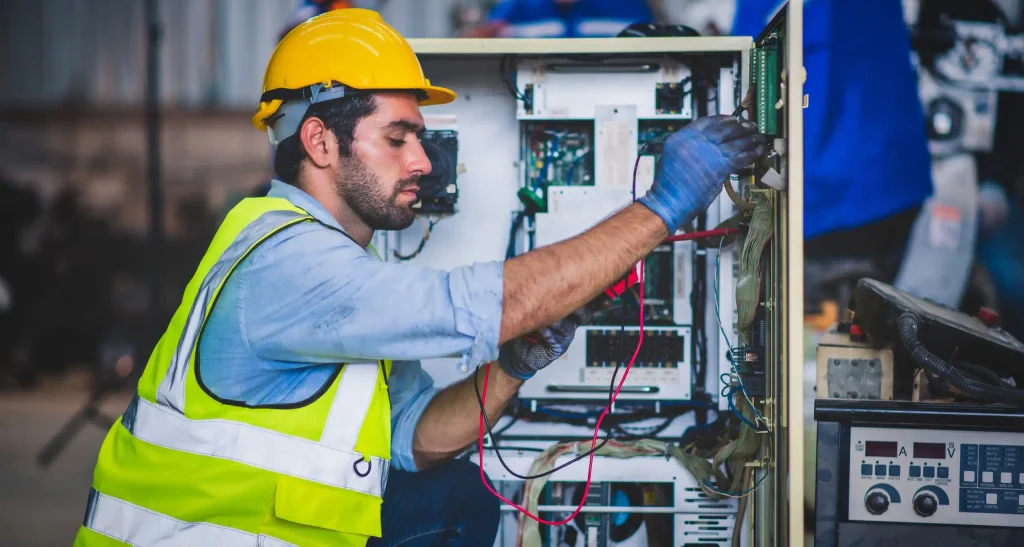

    Engineer in a hard hat using a multimeter inside an open electrical cabinet

    Faults that come up

    Fan motors wear. Heaters drop below the temperature the rotor needs. Desiccant rotors lose capacity from dust or age. Sensors drift and the humidity reading stops matching the room. Control panels fail through contactors and electrical faults. Filters block and airflow falls.

    After the repair, the unit is run and the humidity result is checked against the range the process needs.

    Discuss a repair
    Hands marking a technical drawing with a pen

    Parts

    Essential parts for DST are held in stock. Fans, motors, sensors, heaters, filters, rotor seals, belts and control parts for other manufacturers are sourced through the supply network.

    For older models, a compatible part or an upgrade is often the practical route.

    Discuss a repair
    Engineer in a yellow hard hat and ear defenders checking equipment with a tablet

    If the process cannot stop

    Where a part has a long lead time, or the repair is extensive, a temporary dehumidifier can cover the area while the main unit is repaired.

    The same engineers also pick up early wear on a planned maintenance visit, so some repairs are booked before the unit fails.

    Discuss a repair

    DST systems and older equipment

    Newsome is an approved partner of Seibu Giken DST AB, and the repair work also covers other industrial dehumidifiers.

    Newsome engineer with a tablet beside a DST dehumidifier
    • The DST ranges

      Flexisorb, RLZ, CZ, R, RL, DC and DR, from installation records and the service history on those units.

    • Other manufacturers

      Legacy systems, discontinued models, and units whose original supplier no longer supports them. Rotor design, reactivation, controls and airflow differ, and the diagnosis follows the machine in front of the engineer.

    • Ten to twenty years in service

      Typical age-related faults are a rotor that has lost capacity, electrical wear, corrosion and heaters that no longer reach temperature. When a repair is no longer the sensible cost, a current DST unit is one of the options that can be set out.

    • Where the work is done

      Food and drink, pharmaceuticals, printing, packaging, engineering, plastics, warehouses and cold stores. Account managers and engineers cover Scotland, the North, the Midlands, Wales, the South West and the South East. Calls are coordinated by the national service desk.

    Repair work in production

    The same repair service is used where a moisture problem is tied to the product or the building.

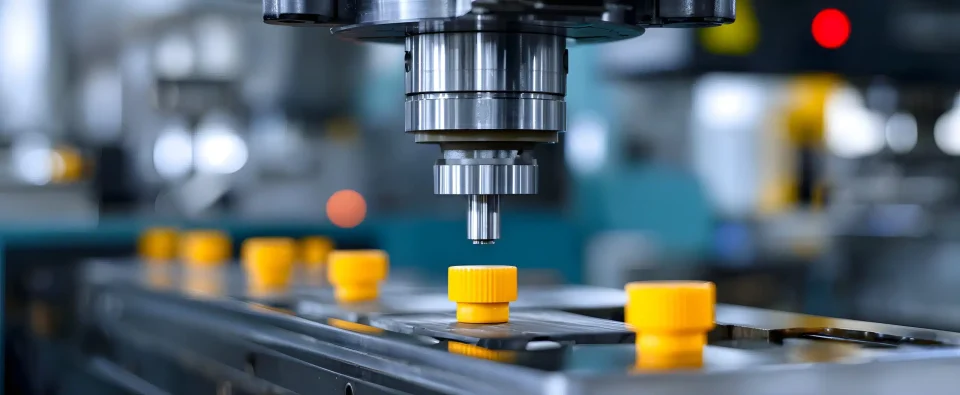
    Close view of a press forming yellow plastic caps on a production line

    Plastics and manufacturing

    A repair visit on equipment that supports a production line, where humidity shows up as a defect or a stoppage.

    Discuss a repair
    Engineer in a yellow hard hat and ear defenders checking equipment with a tablet

    Installed industrial plant

    Desiccant units, refrigeration dehumidifiers, bespoke dryers and larger industrial systems.

    Discuss a repair

    Questions about repairs

    Can you repair a dehumidifier that is no longer supported by the maker?

    Often, yes. The published repair service includes older and discontinued models, using compatible parts or an upgrade where an original component is no longer available.

    What if we cannot switch the dehumidifier off?

    A temporary dehumidifier can be put in while the main unit is repaired, when the lead time or the extent of the work would leave the space without humidity control.

    Will we get a record of the repair?

    Yes. The note covers what was fixed, the condition of the other main components, and any recommendation for later care.

    Tell us what the unit is doing

    The make, the fault and whether the process can wait.

    Or call 01422 312 562

    Monday to Friday, 8.30am to 5.00pm