
Applications
Meat Products
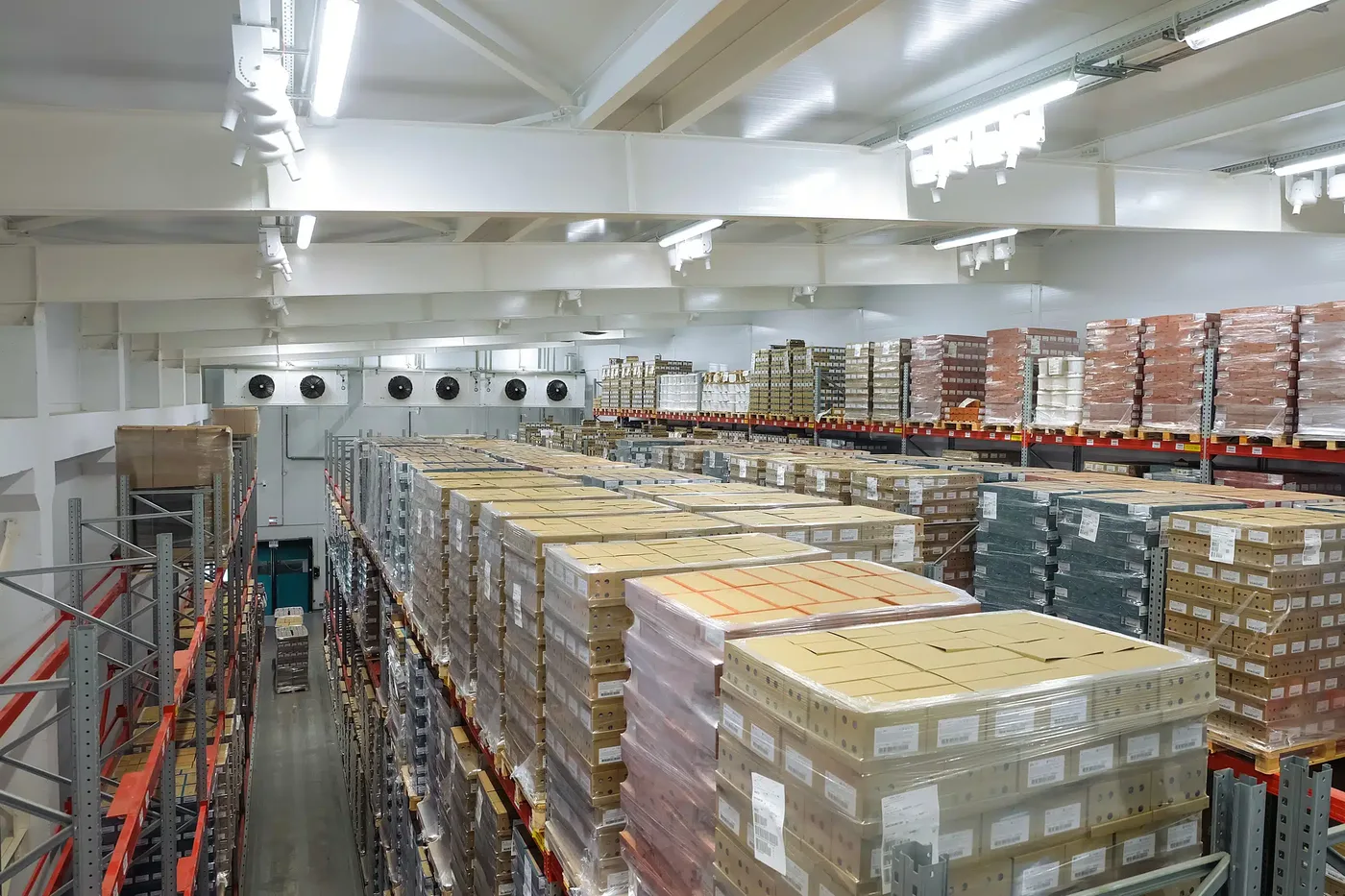
Meat is processed in chilled rooms. Cold air at high relative humidity favours condensation and wet surfaces, which raises hygiene risk. Desiccant drying is used to keep surfaces drier and to support humidity monitoring required in food plants.
-
Chilled rooms
Low temperature means high relative humidity for the same moisture content.
-
Wet surfaces
Drips and condensation are contamination routes on product and equipment.
-
Water activity
Surface moisture available to microbes is linked to the humidity of the surrounding air.
-
Desiccant in the cold
A rotor removes vapour where a cooling dehumidifier would frost and lose output.
Hygiene and humidity on meat lines
Bacterial growth needs available moisture. Keeping room air and surfaces drier is part of hygiene control alongside cleaning and temperature.
-
The moisture problem
Condensation forms on cold ceilings, rails and equipment. Drips can reach product. Wet floors and plant are harder to keep clean.
-
What dry air changes
Lower humidity reduces condensation and lowers the water available at product surfaces for many common food microbes.
-
Monitoring
Food warehouses and process rooms increasingly record humidity as well as temperature. A controlled room makes those records meaningful.
-
Related cold duties
Door ice and fog in deep cold stores are covered on the cold stores page.
From the application to a unit
These notes describe the application. A sale or a hire is a separate conversation, matched to the site.
-
I need help choosing
Describe the space, the temperature and any humidity or dew point you already know.
Get advice -
Cold stores
Doorways, fog and ice where warm air meets deep cold.
Read about cold stores -
I would rather call
Our office number is 01422 312 562, Monday to Friday, 8.30am to 5.00pm.
Call 01422 312 562
Questions
Does dehumidification replace cleaning in meat processing rooms?
No. It reduces condensation and surface wetness. Cleaning, temperature control and hygiene procedures remain essential.
Why specify a desiccant dehumidifier in a chilled room?
The air is already cold. Refrigerant dehumidifiers frost and lose capacity. Desiccant drying continues to remove moisture at those temperatures.
What information should accompany a meat-processing enquiry?
Room temperatures, wash-down routine, where condensation appears, and any humidity limits already set for the process.
Get advice
Tell us about the space, the temperature, and any humidity or dew point you already know.
Or call 01422 312 562
Monday to Friday, 8.30am to 5.00pm